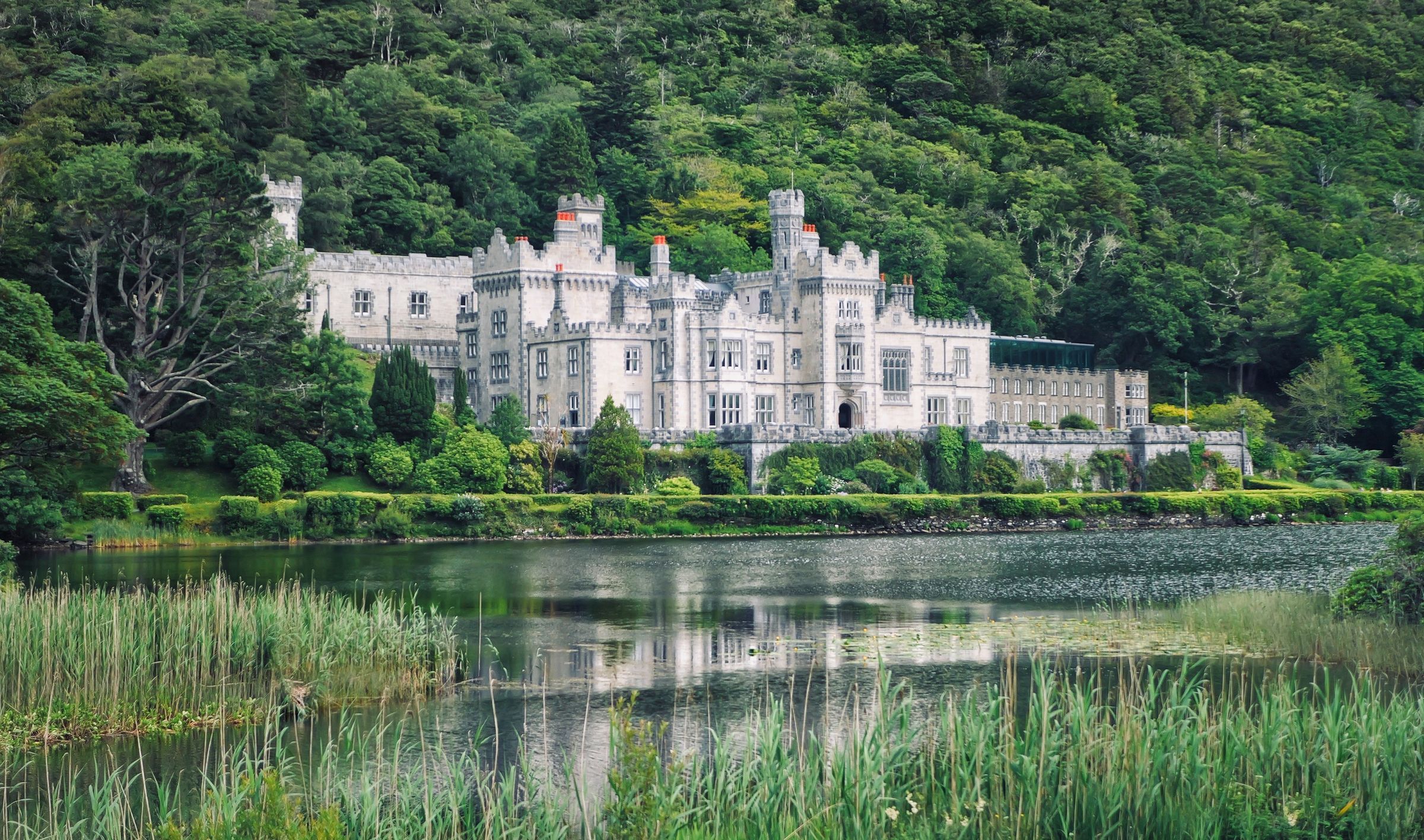

Shorter days, softer light and quieter trails make September and October the best-value window for a walking-and-eating trip through Ireland.
Why the shoulder season works
Irish autumn runs roughly from late August to the end of October, and the weather rewards flexibility rather than planning. Daylight in Dublin falls from about 13.5 hours on 1 September to under 10 by the end of October, so build walks earlier in the day. Rainfall is spread fairly evenly through the year, but September and early October are typically drier and milder than November. Hotel rates in Dublin, Cork and Galway usually ease after the August peak, and popular walking routes empty out noticeably once school terms resume.
For a first trip, base yourself in two places rather than four. Distances that look small on a map take longer than expected on narrow regional roads: Dublin to Galway is roughly 2.5 hours by car, Killarney to Dingle about an hour. Trains connect Dublin with Cork, Galway, Killarney and Belfast reasonably well, but the best walking country — Wicklow, Connemara, the Beara Peninsula — needs a car or a local bus. Book accommodation with free cancellation and keep one wet-weather day unplanned.
Walks worth the detour
In County Wicklow, the Spinc loop above Glendalough combines a boardwalk climb with views over the upper lake; allow three hours and go early, as the car park fills by mid-morning at weekends. Further south, the Sheep's Head Way in West Cork offers low-level coastal walking without the crowds of the Kerry Way, and the village of Ahakista makes a comfortable base. In Connemara, the Diamond Hill loop in Connemara National Park is a well-marked two-to-three-hour climb from the visitor centre at Letterfrack.
Kerry remains the classic choice: the Gap of Dunloe walk from Kate Kearney's Cottage to Lord Brandon's Cottage takes about two hours, and boats return you across the lakes to Killarney. Skip the Ring of Kerry drive on a clear Saturday if you dislike convoy traffic, and take the quieter Ballaghbeama Gap instead. None of these walks requires technical gear, but waterproof boots and a spare layer are essential — conditions change quickly on open ground, and mountain rescue call-outs rise in autumn as daylight shortens.
Eating well without a set menu of clichés
Autumn is harvest time, and farmers' markets are at their best: St George's Market in Belfast on a Friday or Saturday, the English Market in Cork city, and the Saturday market in Galway's St Nicholas' churchyard. Look for oysters from Carlingford and Galway Bay in September, new-season lamb, and apple varieties you will not see in supermarkets. A casual lunch of soup and brown bread costs far less than dinner, and many good kitchens offer the same produce at midday.
Book dinner ahead in smaller towns, where kitchens close early outside July and August. In Dublin, the area around Camden Street and Wexford Street has a dense cluster of mid-range restaurants within a ten-minute walk of St Stephen's Green. In Galway, the Latin Quarter around Quay Street is convenient but touristy; the streets towards the Claddagh are quieter. A good rule for the season: favour places with a short, changing menu, and check opening days, as many rural restaurants shut Monday and Tuesday in October.
Where to stay, and what to skip
For a walking-focused trip, I would book two nights in Killarney, one in Dingle and two in Galway, using guesthouses rather than large hotels. Killarney town has the widest choice close to the national park gates; Dingle's harbour-front streets put you within walking distance of pubs and the marina; Galway's centre, between Eyre Square and the Spanish Arch, keeps everything on foot. Prices in these towns are usually lower in the last week of September than in the first week of August, though I would not quote a figure without checking.
Skip the roadside 'castle hotel' splurge unless you plan to stay put, and avoid basing yourself in a city and commuting daily to walking country — the driving adds up. If you want one memorable stay, choose a country house with grounds in Wicklow or West Cork and make it the final two nights. Book directly with small properties where possible; they often hold rooms back from large booking sites, and autumn is exactly when they have space.
Frequently asked questions
What should I pack for walking in Ireland in autumn?
Waterproof jacket and boots, a warm mid-layer, hat and gloves, and a small daypack. Paths in Wicklow and Connemara can be muddy after rain, and weather changes fast on open ground, so carry a map or charged phone and start walks early as daylight shortens.
Is a car necessary for an autumn walking trip?
For Wicklow, Connemara and the Beara Peninsula, yes, or plan around local buses and taxis. Trains link Dublin with Cork, Galway and Killarney, but walking trailheads are often several kilometres from stations, so a car gives far more flexibility in quieter months.
When is the best time to visit for fewer crowds?
Late September and early October. School terms have resumed, walking routes are quieter, and accommodation in Killarney, Dingle and Galway is easier to book. Daylight is still reasonable, though plan to finish walks by late afternoon as evenings draw in.
Read the guide