The Rail Spine: Dublin, Cork, Galway and Belfast
Irish Rail's Intercity network covers the ground most visitors want. Heuston Station in Dublin sends trains west to Galway in about two and a half hours and south to Cork in roughly two hours forty. Connolly Station serves the northern line to Belfast, around two hours on the Enterprise service. Booking online in advance usually beats the walk-up fare, and booking a seat is free but wise on Friday evenings when Galway and Cork services fill with commuters and students heading home for the weekend.
For a first trip, I would base two nights in Dublin near Connolly or Heuston rather than in Temple Bar, then move onward by train. Hotels around St Stephen's Green and Merrion Square put you within a fifteen-minute walk of both stations and the Aircoach stops on Leeson Street. If you are arriving at Dublin Airport, the 747 and 757 buses run to the city centre in about thirty minutes, and the 784 Aircoach serves the southside hotels directly.
Coaches Reach What Trains Cannot
Expressway and Bus Éireann fill the gaps: Dublin to Galway, Cork to Killarney, Galway to Clifden in Connemara. Bus Éireann's regional routes are the only public transport to places like Doolin for the Cliffs of Moher, Dingle and the Ring of Kerry's villages. Journey times are longer than driving, often by half as much again, but the seats are comfortable, luggage goes in the hold, and the drivers know the roads. On the Wild Atlantic Way, the Local Link rural services run several times daily on many routes and accept the same Leap Card as city buses.
Use a Leap Card for Dublin's Luas trams and city buses; it caps the daily fare and saves fumbling for change. For longer hops, book online a day or two ahead, especially in July and August, when Kerry and west Cork services sell out. Galway is my pick for a car-free base in the west: trains from Dublin, buses to Connemara and the Burren, and a compact centre where you can walk everywhere. Stay near Eyre Square or along the Claddagh quay rather than out on the Headford Road, which leaves you dependent on taxis.
Islands and the Coast by Ferry
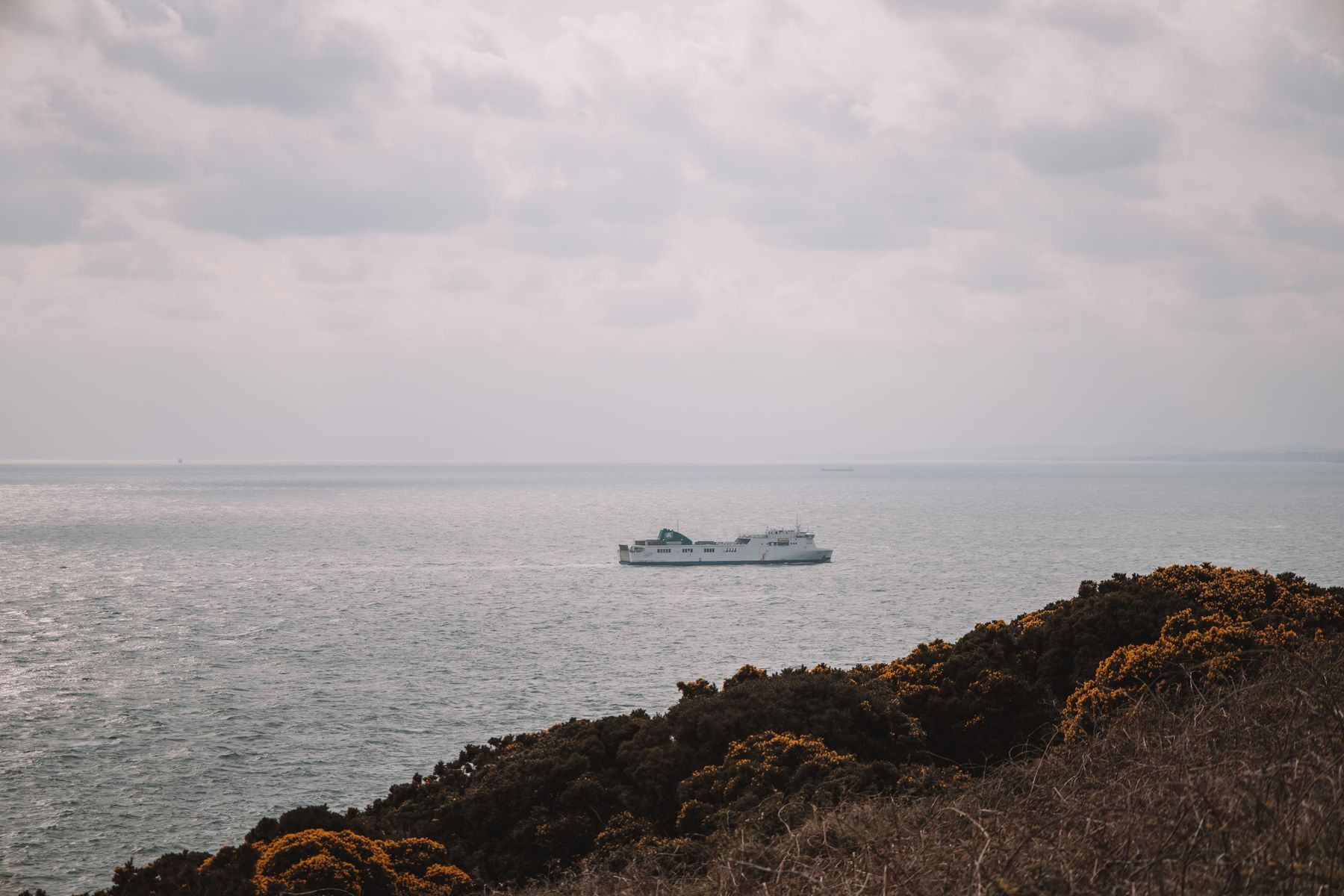
Ferries make the islands easy without a car. From Rossaveal in Connemara, the Aran Islands ferry takes about forty minutes to Inis Mór; from Doolin in Clare it is around thirty-five minutes to Inis Oírr. Both run seasonally and are weather-dependent, so build a spare day into your plans in the west. Inis Mór has minibus tours and bike hire at the pier. Further north, the ferry from Mull to Kilchoan aside, Ireland's own islands — Achill by bridge, Valentia by bridge near Cahirciveen — reward a day trip by bus from Westport or Killarney.
Skip the Ring of Kerry bus tour if you can: the full-day coach is long and the stops are short. Instead, take the train to Killarney and use the local bus or a half-day tour of the Gap of Dunloe, or simply walk the national park. In Dublin, skip the hop-on-hop-off bus — the Luas and a good pair of shoes cover the centre. Best months for a car-free trip are May, June and September: daylight is long, ferries run, and the coaches are quieter than in high summer.
Choosing a Base and Booking Ahead
A sensible car-free itinerary is Dublin two nights, Galway two or three, then a train or coach to Cork or Killarney for two, finishing back at Dublin Airport by bus. Book all accommodation once your long legs are fixed, because Galway and Killarney sell out around the races and summer festivals. City-centre hotels near the bus and rail stations save taxi fares and make early departures painless; a slightly higher room rate there often costs less than two taxi rides from an out-of-town hotel.
For a short break, I would book a Dublin hotel within ten minutes of Connolly and skip hiring a car entirely. For a longer west-coast trip, I would book Galway city centre and take day tours rather than moving hotels every night. Check ferry timetables before you commit to an island stay, and keep one flexible day in the schedule: Irish weather cancels sailings, and a spare afternoon in Doolin or Rossaveal is easier than a rebooked flight home.
Questions travellers ask
Do I need a car to see the Cliffs of Moher?
No. Bus Éireann and Expressway services run from Galway and Ennis to Doolin and the Cliffs visitor centre, and day tours leave Galway daily. The coastal walk from Doolin takes about an hour and a half and is the best approach if the weather is fair.
How far ahead should I book Irish trains and coaches?
Book Intercity trains a week or two ahead for the cheaper online fares and a reserved seat; Friday services fill early. Coaches to Kerry and west Cork sell out in July and August, so reserve two or three days ahead and arrive at the stop fifteen minutes early.
What is the best month for a car-free trip to Ireland?
May, June and September balance long daylight, running ferries and thinner crowds. July and August are busiest on the Wild Atlantic Way, while November to February shortens daylight and reduces island sailings. Easter week brings high demand in Galway and Killarney.
Read the guide