Castle grounds, cliff walks and rainy-day museums, plus the towns that make a family trip across Ireland actually work.
Dublin: start here, but sleep outside the centre
Dublin rewards families who plan around short bursts rather than full days. Start at Phoenix Park, where the fifteen-hectare Dublin Zoo sits beside playgrounds and the Papal Cross meadow, then walk ten minutes to Áras an Uachtaráin for the Saturday-only public tours. The National Museum of Ireland on Kildare Street is free, dry and excellent on a wet morning, and the Dead Zoo upstairs holds a whale skeleton that keeps younger children occupied longer than you would expect. Mid-range family rooms cluster around Ballsbridge and the Grand Canal, from roughly €150 to €220 a night in summer; hotels in Temple Bar are cheaper outside weekends but noisy until late.
I would book Ballsbridge or the area around Grand Canal Dock and use the DART for everything. Pearse Street and Grand Canal Dock stations put you twenty minutes from Howth, thirty from Malahide Castle and its butterfly house, and the coastal run south to Dalkey and Killiney gives a train ride that small children treat as an attraction in itself. Skip driving into the city centre; parking runs €20 to €30 a day and the one-way system around the Quays is a misery with tired kids in the back.
Galway and Connemara: base yourself once
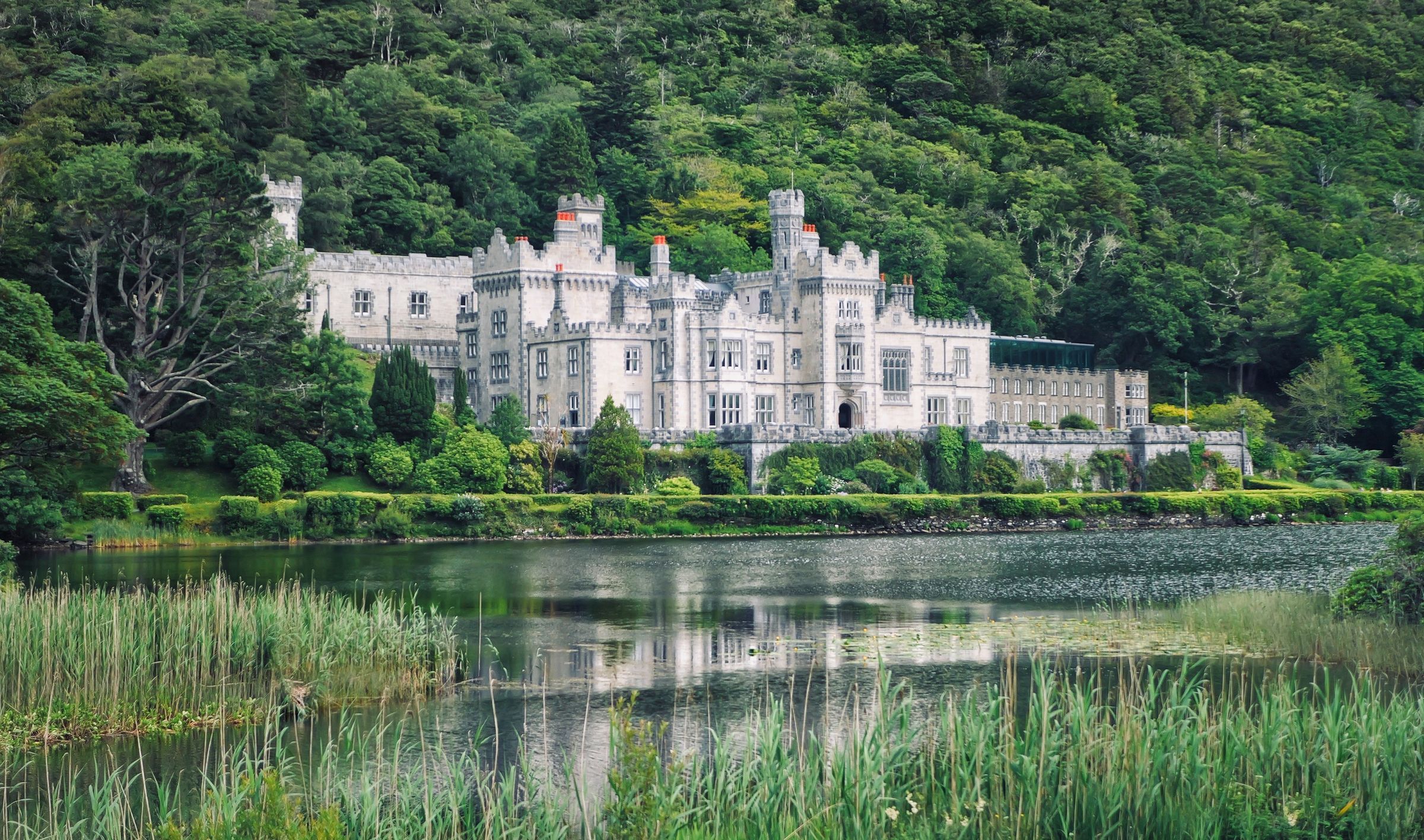
Galway city suits families in short doses: the Claddagh, the Long Walk, and the Spanish Arch where the Corrib meets the bay. But the real draw is west of the city. Connemara National Park at Letterfrack has short, well-marked loops up Diamond Hill, twenty minutes' walk to a viewpoint and back with small legs, and Kylemore Abbey's walled garden has a shuttle and paths wide enough for a buggy. Salthill's promenade, with its playground and the Blackrock diving tower, fills an easy afternoon near the city hotels, where family rooms typically sit between €140 and €200 outside the racing week in late July.
If your trip is three nights or fewer, stay in Galway city and day-trip; if it is longer, split it and take two nights in Clifden or Letterfrack. The N59 from Galway to Clifden is about eighty minutes without stops, and you will stop. Roundstone's beaches are calm enough for paddling, and Dog's Bay is worth the narrow road. Skip the Sky Road on a windy day with young children, and skip Cong if you are short of time; the abbey and grounds are lovely but the village gets congested by midday in August.
The southwest: Kerry, Cork and the islands
Killarney is the obvious base and earns it for families. Muckross House and its traditional farms give you a full day of working kitchens, animals and lake paths, and the Gap of Dunloe is best taken by jaunting car or on foot rather than by car. Hotels in Killarney town run higher than Galway, commonly €170 to €250 for a family room in July and August, and they fill first for weekends. Kenmare is quieter and better value, forty minutes further around the Ring of Kerry, with a playground at the head of the bay and short walks that do not require a full day's commitment.
For Cork, stay in the city and use it as a jumping-off point rather than a destination in itself. Fota Wildlife Park, fifteen minutes by train from Kent Station, is the single best family day out in the region and takes a full day. West Cork, particularly Schull and Baltimore, suits older children who can handle a ferry and a rocky shore; the boats to Cape Clear and Sherkin leave from Baltimore and take under an hour. Avoid driving the Ring of Kerry counter-clockwise on a summer weekend unless you enjoy coach traffic.
Where to sleep, and what to skip
Three patterns work well. City hotels in Dublin, Galway and Cork give you parking, breakfast and interconnecting options, and are the safest booking for a first trip. Self-catering cottages and holiday homes, common in Connemara, west Cork and around Killarney, cost less per night for five or more people and solve the early-breakfast problem; book these six to nine months ahead for July and August. Farmhouses and small guesthouses fill the gap between the two, and many welcome children without charging for a cot, though always confirm before booking.
Skip Dublin Zoo on a sunny bank holiday weekend, skip the Cliffs of Moher visitor centre at midday in July, and skip any itinerary that moves accommodation more than three times in a week. May, June and September give the best balance of weather, price and space; February is quiet and cheap but many rural attractions close. Book the hotel before you book the car hire, and check that the family room sleeps four rather than assuming it does.
Frequently asked questions
How many days do I need in Ireland with children?
Five to seven days works for one region. A week lets you do Dublin plus Galway and Connemara, or Dublin plus Killarney, without spending every day in the car. Ten days allows the southwest properly. Keep accommodation moves to two or three at most.
What is the best month to visit Ireland with kids?
June and September give the best mix of daylight, drier weather and availability, and prices sit below the July and August peak. May is quieter still and everything is open by the bank holiday weekend. Avoid the week of the Galway Races in late July if you want a room in the city.
Do Irish hotels charge for children?
Many family rooms sleep four and include breakfast for two adults only, so confirm the child rate when booking. Holiday homes and self-catering cottages usually charge per property, which is cheaper for larger families. Cots are often free but should be requested in advance.
Read the guide